
Depression Stole My Appetite—Here's What Helped
How to Regain Appetite Depression: Introduction
If you’re searching for how to regain appetite during depression, this article is for you. Here, we explore why depression can cause appetite loss, who is affected, and why regaining your appetite is crucial for both physical health and emotional recovery. Whether you’re experiencing appetite loss yourself or supporting someone who is, you’ll find practical tips, expert insights, and resources to help you or your loved one take the first steps toward nourishment and healing.
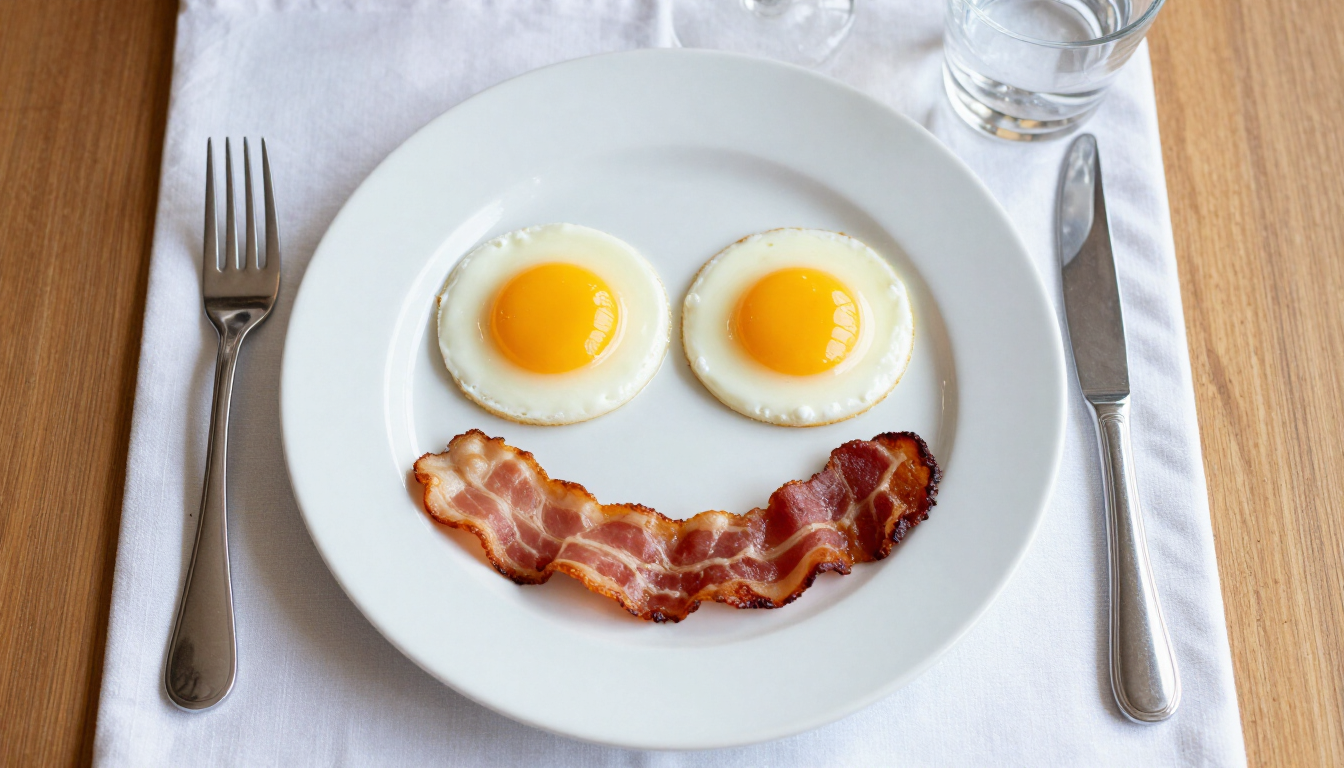
To regain appetite during depression, start by eating something simple and low effort—whatever you can manage—to get energy in your body, whether that’s mac and cheese, deli turkey, frozen meals, or even protein shakes when solid food feels like too much. If you’re an adolescent or adult in or near Mission Viejo, California dealing with depression-related appetite loss, this guide explains why people lose interest in food during depressive episodes, how low appetite can turn into a vicious cycle of low energy levels and nutritional deficiencies, and what practical tips can help you start eating again.
Why Depression Affects Appetite and Mental Health
According to Dr. Drew Ramsey, author of Eat to Beat Depression and Anxiety, this is common for people who deal with depression. “Changes in appetite and changes in weight are part of the diagnostic criteria for depression,” he told me. A decreased appetite is a common symptom and affects almost half of people with major depression. Because appetite depression is such a complex illness that much of the medical world is still learning about, “there’s a lot that remains to be understood,” he noted.
“Oftentimes people think about it as just an illness related to serotonin, and it's much more complex than that,” he said. Although research has shown that your microbiome and hormones can affect your levels of depression and vice versa, there isn’t one thing experts can pinpoint to explain a loss of appetite in times of depression. High cortisol levels, along with stress hormones and stress-related nausea, can reduce food reward perception, trigger physical symptoms, and make it easier to lose interest in eating.
Appetite depression refers to the way depression alters brain chemistry, weakening hunger cues and making food seem unappealing. Understanding these causes can help you find practical ways to cope, which we'll discuss next.
Personal Experience: When Depression Stole My Appetite (Loss of Appetite)
The first time I experienced depression, it was as crippling as everyone had described. It’s one of those things that sounds awful in theory, but until you experience it yourself, you don’t know how absolutely debilitating it can be. But the most shocking part for me was my loss of appetite. All of a sudden, I found myself smack dab in the middle of a cliché, lying on the kitchen floor with dried tears on my cheeks and no room in my stomach for anything other than complete and total sadness.
As someone who has loved food their entire life, and even plans their day around food, this was new. Physically, I could hear my insides screaming for nourishment, for food, but mentally, I had no will to eat—and especially no desire to cook. There were times when I would go the whole day without putting anything in my body, and some people with depression skip meals for days.
Low-Effort Meals, Eating Habits, and Practical Tips
This was frustrating when I was experiencing it, as there was no magic solution to give me my appetite back. But one thing that did help was finding a depression meal. If you’re someone who has dealt with depression, and the lack of appetite that can come with it, then you are familiar with these meals. They are easy, quick, very low effort dishes you can whip up and consume when you find yourself where I was. On social media, people will share their go-tos, ranging from:
Having a few options ready to prepare meals ahead of time—or keeping frozen meals on hand for the hardest days—can make eating meals feel much more doable, especially when depression can make even that feel overwhelming.
“When you're depressed, it can seem like the hardest thing in the world to do is muster up the energy to cook a meal or take care of yourself,” Danielle Allen, a dietician and TikTok creator, told me. She herself struggles with a fluctuating appetite due to anxiety and depression and shares her depression meals in those moments.
“Get away from the idea of what you have to eat,” she advised. “Instead, my goal is just to feed myself, just get energy in my body.” When appetite is low, it helps to choose foods that are easy to prepare and still sound appealing. “Focusing on eating as the first priority in that depressive episode can be a really helpful thing to do. And so picking something simple, that's not going to have a lot of barriers, is usually the strategy I recommend.”
So the goal in times when I don’t want to eat is not to eat healthy, but to just eat. Something, anything. Even if you do not feel hungry or have little appetite, a few bites can help restart the process. When I’m in those moments, often it’s not even about tasting the food, but about getting it into my body. I have to overcome that aversion knowing that afterwards, I’ll feel a little bit better. From there, you can work toward small meals instead of large meals, regular snack times, and steadier routines that support better eating habits and eating patterns, then incorporate foods that are more balanced and varied across food groups to support recovery.
And if that food also brings me a smidge of serotonin in the moment, even better. Annie’s White Cheddar mac and cheese does that for me, because I know I can muster up the little amount of strength it takes to make it, and it brings me a little burst of joy; once that feels manageable, you can add in nutrient-rich foods such as whole grains, and oats may help boost serotonin levels. For Nicole DiMascio of the popular account, Dope Kitchen, it’s deli turkey. Normally, you can find her cooking up healthy and delicious meals while “getting baked in the kitchen,” but one day, she shared her struggles with eating while depressed with her followers.
“I go through a lot of mood swings where like some days I'm super organized, and then one thing will happen that kind of derails all of my progress,” Nicole said in an interview with me. “I need to just be gentle with myself and remind myself that it's okay to not always be positive.”
Her candid post resonated with her followers. “One of the most touching and heartwarming things was hearing people say that opening up about my appetite during depression and my journey helped other people feed themselves and that it was just a great reminder to nourish their bodies even if their mind wasn't in the right place,” she said.
About 20 minutes of gentle physical activity, such as walking, can also help improve mood and appetite.
Transitioning from these practical tips, let’s look at when it’s time to seek additional support.
When to Seek Professional Help
We are living in strange times. The ongoing pandemic has affected just about every part of our world and isolated many, leading more people to experience depression and anxiety. But being able to go on social media helps me see that I am not alone in my depression and knowing that the first goal is to eat brings a small tinge of comfort. However, it’s certainly not a replacement for mental health care, so if you are in need of help, check out the resources below.
Addressing depression through therapy or medication can also improve appetite. If self-help strategies are not working, consult a doctor. If appetite loss is persistent, it's essential to reach out to a healthcare professional. If appetite loss is persistent, leads to weight loss or other health problems, makes it hard to maintain three meals or even small meals a day, causes you to lose weight unintentionally, or raises concern about maintaining muscle mass, a healthcare provider, mental health professional, or registered dietitian can offer advice and professional support around both nutrition and the root causes as part of self care during depression recovery.
National Institute of Mental Health
Frequently Asked Questions on Appetite and Depression
Why does depression cause a loss of appetite?
Depression can disrupt brain chemistry and weaken hunger cues. Appetite depression refers to the way depression alters brain chemistry, weakening hunger cues and making food seem unappealing. Increased stress hormones like cortisol and emotional distress can make food seem unappealing, contributing to decreased appetite.
What are practical ways to regain appetite during depression?
Practical ways to regain appetite during depression include building consistent eating habits over time and:
- Eating small, frequent meals
- Eating every two to three hours, even if you’re not hungry
- Gentle movement like a light walk to stimulate appetite
- Choosing calorie- and protein-dense foods without relying too heavily on high calorie, nutrient-poor choices when cravings increase
- Keeping low-effort foods accessible for tough days
- Using liquids or smoothies when solid food is unappealing
- Eating with someone to make meals less isolating
- Planning meals ahead to reduce decision-making pressure
- Establishing regular eating routines, even if hunger signals are unreliable
- Having protein-rich snacks on hand for nourishment with minimal effort
- Staying hydrated, as dehydration can worsen fatigue
- Including foods that support mood and brain health, such as omega-3 fatty acids, whole grains, leafy greens, and other nutrient-dense foods
When should I seek professional help for appetite loss?
If appetite loss persists for more than two weeks, leads to significant weight loss, or affects your overall health and mood, consult a healthcare professional or mental health provider.
Can eating with others improve appetite during depression?
Yes, sharing meals with loved ones can make eating less isolating and more enjoyable, which may help improve appetite.
What types of foods are best when dealing with low appetite?
Nutrient-rich, easy-to-prepare foods like smoothies, yogurt, eggs, protein bars, lean meats, whole grains like brown rice, and vegetables are recommended to support nutrition without overwhelming effort. Some foods may feel uncomfortable at first if nausea or stress is present, but simple, nutrient-dense options are still a good place to start.
Regain Your Appetite and Wellness with Expert Support in Orange County
If you or a loved one in Orange County, California, are struggling with depression and appetite changes, Orange Coast Psychiatric Associates is here to help. Our compassionate team offers comprehensive outpatient mental health services tailored to your needs. Reach out today to schedule a consultation and take the first step toward regaining your appetite and overall well-being.
Contact Orange Coast Psychiatric Associates at (949) 282-0027 or visit our Mission Viejo office to learn more about our specialized care and support.
Orange County Psychiatric Associates, in Mission Viejo, works with adolescents, and adults to enable them to live their lives to their fullest. Orange Coast Psychiatric Associates tailors treatments based on the understanding that both body and mind must be treated in order to promote better mental and physical health. Let us help you improve your quality of life with specialized care for you.